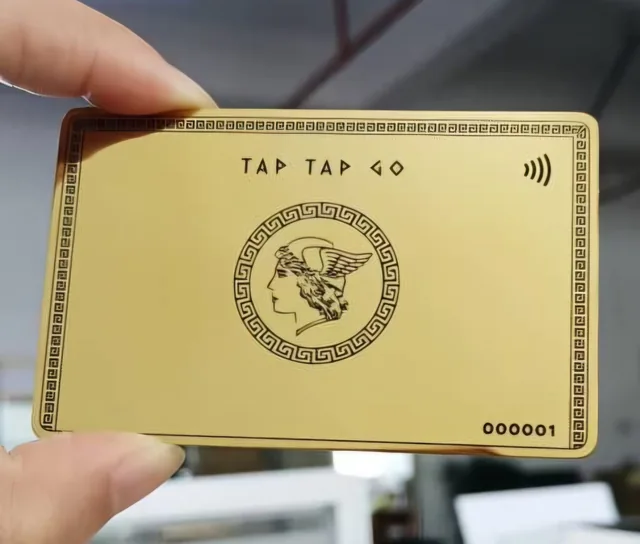
 TAP TAP GO

Understand the decision
A short link can make a printed address easier to type, but it can also hide the destination from a first-time visitor. Decide whether the shorter format solves a real problem in the channel you are using. A spoken introduction, small card or event display may benefit more than an ordinary email. Choose a route the organisation can maintain and explain where it leads. Do not treat a familiar-looking short link as proof that the final page is trustworthy.
A practical workflow
Keep a record of the full destination, link owner and locations where the short link appears. Test the route after destination changes and provider changes. Avoid using a temporary personal account to manage an address that will be printed on long-lived business materials. Where possible, provide the organisation’s clear main address as an alternative. If the link asks people to sign in or pay, make the expected destination and action especially clear before they open it.
Hypothetical example
A team uses a short address on a presentation slide so attendees can type it easily. The slide also identifies the organisation and explains that the page contains public resources. The link is managed by the business and tested before each event.
Make it practical.
Use this checklist as you read. Checks are not stored.References & further reading
Further reading: FTC: Scammers hide harmful links in QR codes ↗Published by Tap Tap Go. Product availability and eligibility vary by programme and market. About our stories.