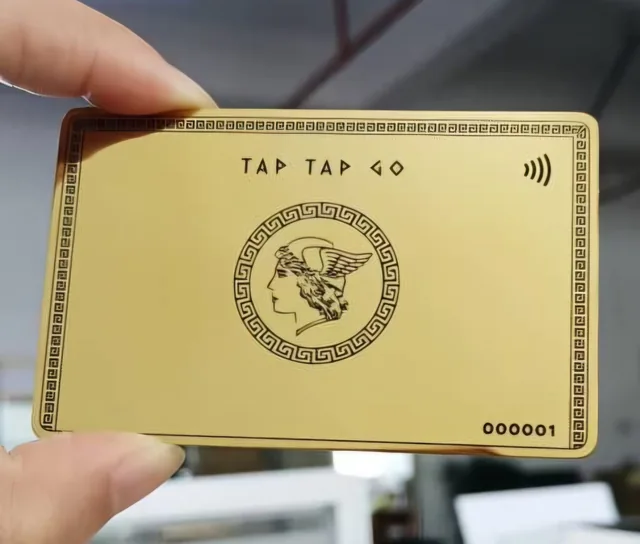
 TAP TAP GO

Inventory the connections first
List the merchants, team members and business services using the existing credential. Note open refunds, pending transactions and future bookings. Ask the issuer how replacement affects each item and whether any details update automatically under the applicable programme. Treat that answer as specific to the product. A card replacement is easier to manage when the team knows which relationships need attention and which can continue under the provider's documented process.
Close the loop merchant by merchant
Use the inventory to track required updates, confirmations and unresolved questions. Give each task an owner so an important recurring service is not overlooked. Keep historical statements accessible and label the old credential without storing unnecessary sensitive details. After the first billing cycle, review exceptions instead of assuming the replacement is complete because the new card appears in the app. This turns a potentially scattered administration job into a bounded operational change.
Hypothetical example
A hypothetical consultancy replaces a team card before an employee leaves. The inventory identifies an annual domain renewal and an outstanding equipment refund. Those two items receive explicit follow-up, preventing a small card administration task from becoming an unexpected interruption to the company's website or accounts.
Make it practical.
Use this checklist as you read. Checks are not stored.References & further reading
Background reading — CFPB: prepaid card comparison resources (US context) ↗Published by Tap Tap Go. Product availability and eligibility vary by programme and market. About our stories.